Commercial Waste Removal in Earls Court

Commercial waste removal in Earls Court needs a service that can handle everyday business rubbish cleanly, steadily and with minimal disruption. We collect a wide range of commercial waste streams for workplaces, retailers, hospitality premises and managed buildings, helping keep sites orderly and ready for staff, customers and deliveries. The service is geared towards practical clearance rather than unnecessary complexity, so businesses can deal with accumulated waste, bulky items and routine disposal in a straightforward way.
Our business waste removal service is designed for premises that generate mixed commercial rubbish and need it cleared responsibly. That can include bagged office waste, packaging, display materials, stock remnants and other non-hazardous waste that builds up during day-to-day trading. For larger clearances, the same planning approach can also support builders waste clearance where refurbishment debris, broken fixtures and site leftovers need to be removed without leaving the property in an untidy state.
The most useful starting point is a clear picture of what needs removing, where it is stored and whether there are access issues such as stairs, narrow entrances or timed loading bays. A short written description is often enough to begin a quotation, and if the waste includes unusual items, mixed materials or anything that may need special handling, it helps to mention that early. Request a quotation when you are ready and we can respond to the scope you need dealt with.
Business waste collections for day-to-day operations

Routine business waste collection is often about keeping the flow of a working day under control. Offices, shops and shared commercial units can quickly accumulate paper, cardboard, packaging film, mixed recyclables and general rubbish, especially when deliveries are frequent or stock is turned over quickly. A planned removal service helps reduce pile-up around workspaces, loading areas and storage rooms, making disposal a task that is handled instead of postponed. It also helps businesses separate ordinary rubbish from items that should be handled through another route.
For office environments, our office clearance option is suitable when desks, chairs, cabinets, monitors and accumulated paperwork need to be taken away alongside everyday waste. Where sensitive information is involved, confidential shredding is a useful additional service because documents can be destroyed securely rather than placed in general waste. That distinction matters for businesses that need a tidy exit from a workspace, a controlled declutter or regular disposal alongside an office rearrangement.
Commercial waste is not always a single material stream, so it is sensible to think in categories before requesting collection. Typical groupings include general rubbish, recyclable material, bulky items, fixtures and appliances, and items that may need a separate disposal route. Clear sorting at the enquiry stage often makes the quotation easier to understand and helps the collection team arrive prepared for the right type of load.
Retail, hospitality and customer-facing premises
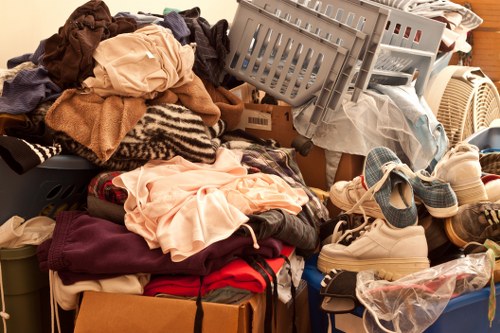
Retail and hospitality sites often need waste removed in a way that respects customer access, trading hours and limited back-of-house storage. Packaging, broken display materials, out-of-date stock, event leftovers and worn fixtures can build up more quickly than expected, particularly in compact premises. The aim is to clear those materials efficiently so they do not interfere with presentation, stock rotation or safe movement around the property.
When premises need larger item removal, our furniture clearance service can deal with tables, shelving, counters and other bulky furniture that has reached the end of its useful life. Where the furniture is ready only for disposal, furniture disposal provides a direct route for pieces that are no longer suitable for reuse on site. For heavier household-style items used in let accommodation or serviced spaces, mattress and sofa disposal can also be relevant, especially where the premises include furnished rooms or turnover between occupiers.
To help collections run smoothly, it is useful to identify whether the waste is already bagged, stacked, dismantled or still in use where it stands. If access is restricted, mention loading points, lift availability and any time windows that must be respected. This practical detail supports a better fit between the waste on site and the vehicle or team needed to remove it.
Clearance options for storage rooms, garages and loft areas
Not all commercial waste appears on the shop floor or in an office. Back rooms, lofts, stores and garages can hold broken furniture, obsolete equipment, surplus stock, archived materials and general clutter that slowly reduces useful space. Clearing these areas is often about restoring capacity as much as disposing of waste, particularly when a business needs storage to work efficiently or wants a room returned to active use.
Our garage clearance and loft clearance services are useful where items have been placed out of sight over time and now need sorting and removal. For homes that have a commercial element, such as mixed-use premises or small business storage at a residential address, house clearance and home clearance pages describe related clearance work that can help with larger mixed contents. The right service depends on whether the waste is mainly general rubbish, usable items, bulky pieces or a full roomful of mixed contents.
In these spaces, the main decisions usually concern access and volume. Stairs, hatch openings, narrow corridors and low ceilings can affect how items are carried out, while the amount of rubbish determines whether a simple collection or a more involved clearance is the sensible choice. When the contents are mixed, it is better to describe them plainly than to guess categories that do not fit.
Appliances, bulky items and specialist disposal
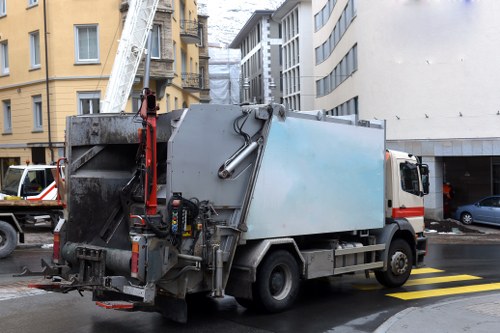
Many businesses need more than standard bagged waste removal. Refrigeration units, broken appliances, oversized seating, display equipment and damaged stock can all create disposal challenges because they are heavy, awkward or built from more than one material. A commercial waste removal service needs to handle those pieces with care so that they are lifted safely and removed without leaving the premises in disarray.
Where electrical items are involved, our fridge and appliance removal service is relevant for items such as fridges, freezers, microwaves and similar equipment that needs careful disposal. For premises generating higher volumes of mixed waste, waste removal gives a broad option for collections that do not fit one narrow category. If the waste includes items that may need a separate route altogether, such as certain liquids, chemicals or contaminated materials, hazardous waste disposal is the appropriate page to review before arranging anything else.
It is wise to identify which items are connected, which can be dismantled and which must stay intact for safety or handling reasons. That helps shape the work method and avoids confusion when there are several bulky pieces in one clearance. If appliances are still in position, note whether they are unplugged, drained or fixed in place, since these details affect how the work is planned. Simple descriptions are usually enough if they are accurate.
How quotations are usually prepared
A quotation for commercial waste removal is generally shaped by volume, item type, access and the amount of labour needed to remove the waste safely. A small bagged collection from an easy ground-floor location is very different from a mixed clearance involving bulky items, restricted entry or multiple trips through a busy building. Clear detail at the outset helps the quote reflect the actual work rather than a vague estimate that may not suit the site.
One useful way to prepare is to group the waste before you enquire. You do not need to overcomplicate it; a short list is often enough. For example:
- bagged general waste
- cardboard and packaging
- office furniture or shelving
- appliances or electrical items
- items requiring special handling
Where access is straightforward and the load is clearly described, the process is usually easier for everyone involved. If a site has loading restrictions, security checks or limited hours for collection, include those details too, along with any items that must remain in place. That is often enough information to build a practical removal plan without adding noise to the enquiry.
About Earls Court
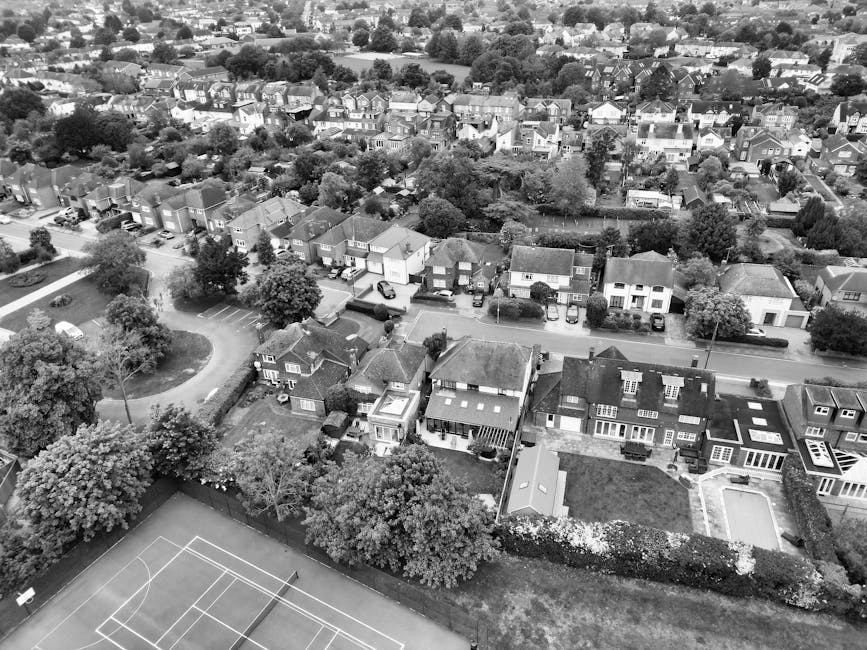
Earls Court is an area in the Royal Borough of Kensington and Chelsea, with parts extending into the City of Westminster, and it is closely associated with the development of late 19th-century London terraces, mansion blocks and transport-led growth. The district’s name is widely linked to Earls Court Manor, and the area changed significantly as railway and Underground connections encouraged dense urban development. Earls Court station has long been a notable interchange on the District and Piccadilly lines, giving the district a strong connection to west and central London movement patterns. The built environment includes a mix of residential streets, garden squares and commercial frontages, with many buildings reflecting Victorian and Edwardian planning rather than a single uniform style. The wider locality also sits near Kensington, West Brompton and Fulham, which helps explain its layered character and varied street life. Cultural memory is strongly tied to the former Earls Court Exhibition Centre, a major venue that once shaped the area’s identity before redevelopment changed the site. Nearby open spaces such as Brompton Cemetery and larger green routes toward Holland Park and Hyde Park place the district within a broader network of west London landmarks, while the surrounding streets remain defined by terraces, mews lanes and transport corridors that have evolved over time.
Office and mixed-premises waste management

Some sites produce a blend of waste types because they combine office space, storage, customer areas and back-of-house operations. A mixed-premises clearance may involve paper, packaging, fixtures, furniture, display items and general rubbish all in one place, and it needs a service that can separate practical disposal concerns rather than treating everything as identical. That is particularly useful for businesses that are reorganising, downsizing or clearing one part of a building while continuing to use the rest.
Our flat clearance and furniture disposal pages are also helpful where a commercial property includes living accommodation, short-let units or furnished rooms that need contents removed carefully. Where a building holds a broad mix of items and the aim is a complete tidy-up, home clearance can provide a useful reference point for larger contents work, while recycling and sustainability explains the broader approach to sorting recoverable material from general waste.
When a site combines several waste streams, it is sensible to describe what is on hand in the order it appears: first the bulky items, then the bagged waste, then anything that needs a separate route. That makes it easier to judge the scale of the task and reduces the chance of overlooking something important. If you are ready to arrange removal, the final step is simple: send your enquiry and ask for a quotation based on the waste you need cleared.
Project waste and refurbishment clearances
Refurbishment work often generates a distinctive mix of waste that includes packaging, offcuts, broken fittings, old furniture, plasterboard fragments and dismantled fixtures. A commercial waste removal service for this kind of work needs to be flexible enough to cope with changing conditions on site, because the load may develop as a project progresses rather than arriving in one single batch. That makes the service useful both during works and at the end of a fit-out.
Where construction-related waste is the main issue, builders waste clearance is the most relevant service page. For projects that involve updated equipment or cleared work areas, office clearance may be more suitable if the works are concentrated in an office setting rather than a building site. Businesses making wider changes can also review about us if they want a fuller sense of the company pages available on the site, although the waste itself should always be described first when requesting a quote.
It often helps to think about whether the project waste is temporary, staged or final. A mid-project sweep can reduce obstruction and keep paths open, while an end-of-project clearance may include all the loose material left behind once trades have finished. If you know that certain pieces are too large to move without dismantling, mention that detail so it can be considered in the plan.
Recycling, sorting and responsible disposal choices
Commercial waste is rarely just one thing. Cardboard, plastics, metals, timber, textiles, furniture and general rubbish may all appear together in a single room or storage area, and the way they are separated can influence how straightforward the disposal becomes. A well-planned clearance is not only about lifting waste out of the premises; it is also about making sensible decisions on sorting so that reusable or recyclable material is not mixed unnecessarily with ordinary rubbish.
The site’s recycling and sustainability page is useful for readers who want to understand the broader approach to waste handling. It is also sensible to check related service pages when items fall into a specialist category, such as mattress and sofa disposal for bulky upholstery or fridge and appliance removal for large electrical pieces. Where a clearance includes a mixture of general waste and reusable contents, the right approach may combine several of these services rather than forcing everything into a single label.
For business customers, the main decision is usually whether the waste should be treated as mixed general rubbish, recyclable material or a specific item class that needs separate handling. That decision affects how the load is arranged and may also influence the quotation. Sorting carefully at the start saves time later and helps keep the clearance focused on what actually needs to go.
Preparing a practical enquiry
A good enquiry does not need to be long, but it should be concrete. A few facts about the waste type, approximate volume, location in the building and any access limitations are usually enough to begin. If you can say whether the items are bagged, loose, stacked, fixed or fragile, that gives a better basis for planning. Where the property contains several kinds of waste, it is better to describe each one than to use a single general label.
For booking and next steps, book online if that suits the way you prefer to arrange work, or use the quotation route if you want the scope reviewed first. The most useful details are often the simplest: what needs removing, how much there is, whether anything is awkward to lift and whether the property has any timing constraints. If the clearance involves particular items or mixed contents, naming them clearly can save time and reduce the need for clarification later.
Once the waste has been described clearly, the rest of the process becomes more straightforward. The aim is to match the collection to the property, the contents and the access available, not to add unnecessary steps. If you are ready to move ahead, request a quotation and include the practical details that best describe the job.