Commercial Waste Removal Earls Court — Sustainable Recycling & Low-Carbon Services
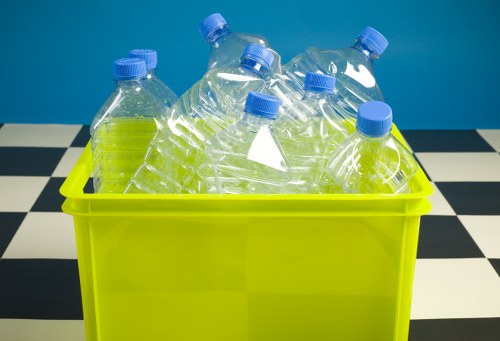 At Commercial Waste Removal Earls Court we prioritise creating an eco-friendly waste disposal area for businesses across Earls Court and neighbouring districts. Our approach to commercial waste removal in Earls Court focuses on source separation, reuse and energy-efficient logistics to build a practical sustainable rubbish area model for offices, shops and hospitality venues. We work to make recycling a simple, routine part of daily operations while minimising landfill.
Our service reflects the borough's approach to waste separation: the Royal Borough of Kensington & Chelsea encourages separation of food waste, glass, paper and card, and mixed recycling and our teams support that by providing clear collection streams. We help clients adopt colour-coded containers, staff training and regular reporting so that each business can meet the local requirements and exceed baseline recycling rates. We tailor commercial waste removal in Earls Court to these rules and offer practical bin signage and audits.
 To push performance further we set an ambitious recycling percentage target: a 70% commercial waste recycling rate across our Earls Court customers by 2028. This target covers waste diverted to recycling, reuse and materials recovery, and we track progress using transparent metrics. Small businesses and larger commercial clients are offered tailored plans to close the gap between current waste recovery and the 70% target.
Local Transfer Stations and Circular Partnerships
We route collected materials to licensed local transfer stations and processing facilities that prioritise recycling and resource recovery. Typical local transfer stations include borough transfer depots and licensed London transfer facilities that handle segregated dry recyclables, food waste and bulky items. Working with appropriate transfer stations ensures waste is processed in the shortest low-emission transport chain possible, improving Commercial Waste Disposal Earls Court outcomes.
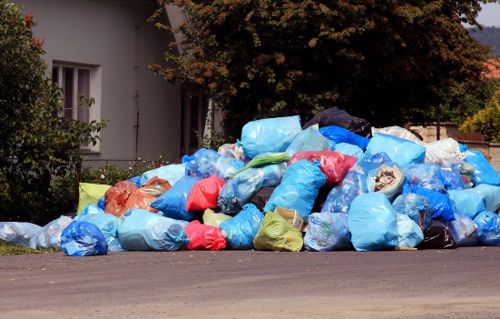 Our partnerships with charities and reuse centres are central to the sustainable rubbish area strategy. We redistribute furniture, electronics and serviceable fixtures to charity partners and community groups, creating local circular economy flows. Charity partnerships mean fewer items are sent to recycling centres prematurely; instead many goods are given a second life through vetted donation channels and social value programmes.
To support businesses we provide consolidated waste manifests and reuse-first options so clients can see where materials go. We also coordinate specialist collections for sensitive streams such as confidential paper, WEEE (electricals) and commercial food waste, ensuring each stream is handled by certified processors. Typical recycling activities we manage include:
- Source-separated paper, card and mixed recycling
- Glass and food waste collected per borough guidance
- WEEE, bulky and furniture reuse streams
Low-Carbon Vehicles, Route Optimisation and Reporting
Fleet emissions are a major focus: our low-carbon vans and collection vehicles include electric vans and latest-generation low-emission models to reduce the carbon footprint of collections in Earls Court. We operate EVs for local rounds, hybrid vehicles for longer trips and use telematics for route optimisation to cut unnecessary mileage. This supports a measurable reduction in CO2 emissions from commercial waste collection activities and strengthens the sustainable rubbish area in Earls Court.
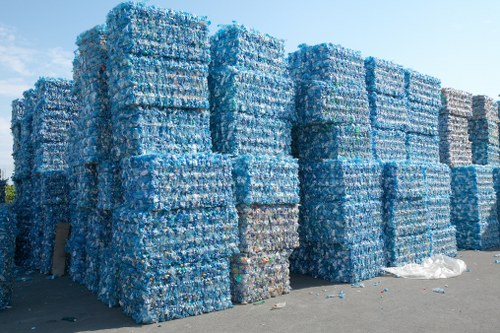 Beyond vehicles we deploy operational measures such as consolidated collection windows, back-loading when possible and micro-depots to create an efficient, low-impact network. These steps reduce congestion in the sustainable rubbish area and limit noise and emissions during busy delivery windows. We also adopt regenerative vehicle technologies and maintenance regimes that extend vehicle life and efficiency.
 Getting results depends on collaboration: we work with Kensington & Chelsea businesses, local transfer stations, licensed processors and charity partners to convert municipal and commercial streams into resources. Our reporting framework includes monthly diversion lists, CO2-saved estimates and progress toward the 70% recycling target so clients can demonstrate environmental performance and participate in the circular economy.
